

-
A portfolio is not the same as an investment process. Holding several funds does not mean the portfolio is being properly managed.
-
Many self-investors add funds over time but do not have clear rules for reviewing, replacing or rebalancing them.
-
A fund should not remain in a portfolio just because it is familiar, has performed well in the past, or was once recommended.
-
A clear process should review performance, sector ranking, risk, charges, duplication and the role each fund plays.
-
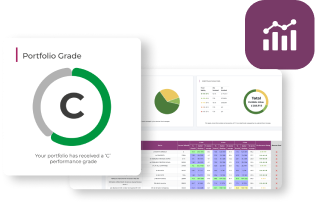
Our free portfolio analysis can provide the evidence investors need before deciding whether their portfolio requires further review.
Many self-investors hold a mix of funds chosen at different times and for different reasons. One fund may have been selected after strong performance, another from a shortlist, another because it looked low cost, and another because it filled a gap at the time.
Individually, each decision may have made sense. Together, they may not add up to a clear investment process.
This is where portfolios can become weaker without the investor realising. Funds get added, older holdings remain, risk levels change, and the reason for holding each fund becomes less clear. The portfolio still exists, but the process behind it has faded.
A strong portfolio does not need to be complicated, but it does need discipline. Investors should know why each fund is held, when it should be reviewed, what would justify replacing it, and how the full portfolio is being measured. Without that structure, decisions can become reactive and performance-led rather than evidence-led.

A Portfolio Is Not A Process
Many investors can name the funds they hold, but not always explain why each one is still there. That is an important difference.
A portfolio is the list of investments. A process is the set of rules used to manage them. It should guide when funds are reviewed, how performance is assessed, how risk is controlled, when changes are made, and how the portfolio remains aligned with the investor’s objectives.
Without a process, a portfolio can become a collection of old decisions. Some holdings may have been bought years ago and never properly reassessed. Others may have been added because they performed well recently. Some may overlap with existing funds, while others may no longer have a clear role.
The risk is not always obvious. The portfolio may still rise in value, but that does not mean it is being managed effectively. It may simply mean the areas it holds have performed well for a period.
A proper process helps investors move beyond “what do I own?” and ask the more useful question: “does each holding still deserve its place?”
What Happens Without Rules
Self-investors often make decisions when something draws their attention. A fund performs poorly, markets fall, a shortlist is updated, a new theme becomes popular, or a fund appears near the top of a performance table.
These moments can lead to action, but action is not the same as discipline. Without clear rules, investors may buy after strong performance, hold weak funds too long, add funds that duplicate existing exposure, or make changes after markets have already moved.
A process does not remove uncertainty, but it reduces the chance of making decisions for the wrong reasons. It gives investors a way to judge funds consistently rather than reacting to short-term performance, market noise or familiarity.
For example, a process might require a fund to be reviewed if it ranks poorly against sector peers over several periods, if its charges no longer appear justified, if it overlaps heavily with other holdings, or if it no longer supports the investor’s current objectives.
The key point is simple. Investors should not wait until a portfolio disappoints before deciding how it should be reviewed.

When Should A Fund Be Reviewed
A fund does not need to be replaced every time it underperforms. All funds can go through weaker periods, and short-term performance should not be viewed in isolation.
However, some warning signs deserve closer attention. A fund should be reviewed if it has consistently ranked poorly against similar funds, if its Yodelar Rating has weakened, if charges appear high compared with the value delivered, or if the fund’s role in the portfolio is no longer clear.
Manager changes, strategy changes or a shift in how the fund behaves may also justify review. A fund originally selected for one purpose may not continue to meet that purpose years later.
This is why sector ranking matters. A fund that has made money may still have performed poorly compared with funds investing in a similar area. Looking only at whether the return is positive can hide weak sector-relative performance.
Reviewing a fund does not mean it must be sold. It means the investor has enough evidence to decide whether the reason for holding it still applies.
When Should A Portfolio Be Reviewed
A fund review looks at individual holdings. A portfolio review looks at how those holdings work together.
Both are needed.
A portfolio should be reviewed when the investor’s circumstances change, when market movements alter the balance of holdings, or when funds have been added over time without checking the overall structure. It should also be reviewed when the investor approaches retirement, starts taking income, receives an inheritance, sells a business, or changes long-term objectives.
Even if the investor has made no changes, the portfolio may have changed. Strong equity markets can increase exposure to shares. A strong run from one region or sector can create concentration. Defensive assets can shrink as a proportion of the portfolio. Several funds may begin to behave more similarly than expected.
A portfolio review should check whether the current structure still matches the investor’s objectives, time horizon and attitude to risk. It should also ask whether the portfolio is still efficient, or whether it contains unnecessary duplication, outdated holdings or funds that no longer add value.

The Cost Of Reactive Decisions
Reactive investing can feel rational at the time. A fund has performed well, so it feels attractive. A market has fallen, so reducing risk feels sensible. A fund has disappointed, so switching feels urgent.
The problem is that these decisions are often made after the event.
Buying after strong performance can increase exposure to areas that have already risen. Selling after a fall can lock in losses. Holding a weak fund because it is familiar can allow underperformance to continue. Adding another fund without checking overlap can make the portfolio more complex without improving it.
This is not about avoiding all changes. A good process should allow changes when the evidence supports them. The issue is whether changes are made because the portfolio needs them, or because recent performance has created pressure to act.
A structured process helps investors slow down the decision. It asks what has changed, whether the fund still has a role, whether the risk is still suitable, and whether the proposed change improves the portfolio as a whole.
What A Proper Process Should Include
A good investment process should be clear enough for the investor to understand and consistent enough to be used in different market conditions.
At fund level, it should assess performance over relevant periods, sector ranking, charges, risk and Yodelar Rating. It should also consider whether the fund is still doing the job it was selected to do.
At portfolio level, it should review asset mix, diversification, duplication, concentration, risk level and progress towards the investor’s objective. It should also check whether the portfolio has drifted and whether each fund still contributes something useful.
|
Process check |
Why it matters |
|---|---|
|
Fund performance |
Shows what each fund has delivered over 1, 3 and 5 years, where data is available. |
|
Sector ranking |
Places performance in context against similar funds. |
|
Yodelar Rating |
Summarises historic sector-relative performance. |
|
Portfolio overlap |
Identifies funds that may hold similar companies, sectors or regions. |
|
Risk level |
Checks whether the portfolio still matches the investor’s circumstances. |
|
Charges |
Helps assess whether costs are justified by the fund’s role and results. |
|
Fund role |
Confirms why each holding is there and whether that reason still applies. |
This type of process does not guarantee better returns. It does, however, help investors make decisions based on evidence rather than habit, confidence or short-term performance.
Why Structure Matters
A structured portfolio is built around clear objectives and rules. It should not depend on a series of disconnected fund choices.
MKC Invest describes model portfolios as bringing together a diversified range of investment funds within a single, structured strategy. It also states that each portfolio is designed to meet defined investment objectives while operating within set risk parameters.
That does not mean a model portfolio is suitable for every investor, or that self-investors cannot build effective portfolios themselves. It does show why structure matters. A portfolio should have an objective, a risk level, a process for selecting funds and a process for making changes over time.
MKC Invest also states that funds within its portfolios may be adjusted over time where appropriate to help portfolios remain aligned with their objectives. That principle is important for any investor. A portfolio should not be treated as something that is built once and left untouched indefinitely.
For self-investors, the question is whether their current portfolio has that same discipline. Are funds being reviewed against clear criteria, or are they simply being held because they have always been there?

The Problem With Adding Funds Gradually
Many portfolios become more complicated over time.
An investor may start with a small number of funds, then add more as new ideas appear. A global fund may be added after strong returns. A thematic fund may be added after a market trend becomes popular. A defensive fund may be added after a difficult year. An income fund may be added when needs change.
Each addition may appear reasonable, but the combined portfolio can become harder to understand. The investor may end up with too many funds, too much overlap, or no clear view of what each holding is meant to contribute.
This can make review harder. If there is no clear reason for each fund, it becomes difficult to know whether a fund should stay, be reduced or be replaced.
Portfolio complexity should be justified. More funds should improve the structure, not simply make the portfolio look more diversified.
A useful test is whether the investor can explain what each fund is there to do. If the answer is unclear, the fund may need closer review.
Evidence Before Action
Investors often ask whether they should change funds. The better first step is to gather evidence.
Before making changes, investors should know how each fund has performed, where it ranks against sector peers, whether it has a strong or weak Yodelar Rating, what it costs, and whether it overlaps with other holdings.
They should also understand the portfolio as a whole. This includes whether the asset mix still fits their objectives, whether risk is concentrated, whether the portfolio has drifted, and whether the current structure supports the outcome they want.
Without this evidence, investors may make changes that do not solve the real problem. They may replace one weak fund with another, add a fund that duplicates existing holdings, or reduce risk when the issue is actually poor fund selection.
A portfolio analysis can help investors see the facts before deciding what to do next.
Start With A Free Portfolio Analysis
Our free portfolio analysis is designed to give investors a clearer evidence base.
It reviews each fund individually, showing 1, 3 and 5-year performance, sector ranking and Yodelar Rating, where data is available. It can also help identify weaker-rated holdings, duplication, concentration, excessive risk, higher charges and funds that may no longer have a clear role.
Where appropriate, the analysis can also compare backdated portfolio performance with a similar-risk MKC Invest model. This is not a recommendation to invest in an MKC portfolio. It is designed to help investors understand how their current portfolio compares with a structured model approach.
The analysis does not provide personal advice and does not recommend whether to buy, sell or switch any investment. It is designed to help investors understand what they hold, how each fund has performed, and whether further review may be useful.
For investors who have built their portfolio over time, added funds gradually or have not reviewed each holding properly, this can be a practical first step.
Book A No Obligation Call
For investors who want to understand whether a more structured approach may be appropriate, a no obligation call can help.
The discussion can cover the investor’s current portfolio, portfolio analysis results, long-term objectives, time horizon and attitude to risk. It can also explain how a structured investment process works and how portfolios can be reviewed over time.
Any personal recommendation would only be made after understanding the investor’s financial position, investment objectives, time horizon and attitude to risk. Any recommendation would include a clear explanation of risks, costs and ongoing service.
MKC Invest states that its investment portfolios are only available to retail investors who have received a personal recommendation from an MKC Wealth financial planner.

Summary
Many investors have a portfolio, but not a process.
They may hold several funds, but not have clear rules for reviewing them. They may know what has performed well, but not whether each holding still has a role. They may add funds over time, but not check whether the portfolio has become duplicated, cluttered or misaligned with their objectives.
This is where self-investing can become weaker than it appears. Without a clear process, decisions can be driven by recent performance, habit or confidence rather than evidence.
A stronger approach starts with proper analysis. Each fund should be reviewed against its sector peers, its performance should be assessed over relevant periods, and its role in the wider portfolio should be clear.
Before adding another fund, replacing a holding or assuming the portfolio is on track, investors should first ask whether their portfolio is being managed by a clear process or whether it has simply become a collection of funds.
For investors who are unsure, a free portfolio analysis can provide the evidence needed to decide whether further review may be appropriate.
Sources