

-
A positive return does not automatically mean a portfolio has performed well.
-
Comparing a balanced portfolio with a single index such as the FTSE 100 or S&P 500 can lead to misleading conclusions.
-
Each fund should be measured against comparable funds in the same sector, not judged only by its headline return.
-
The overall portfolio should also be assessed against a suitable risk-based comparison, not simply the strongest recent market.
-
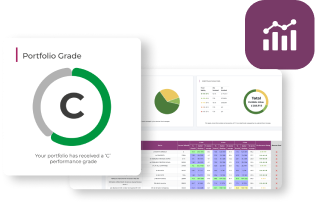
Our free portfolio analysis reviews each fund’s 1, 3 and 5-year performance, sector ranking and Yodelar Rating, and can compare backdated portfolio performance with a similar-risk MKC Invest model where appropriate.
Many investors know whether their portfolio has made money. Far fewer know whether it has performed well.
That difference matters. A portfolio can rise in value and still fall behind comparable funds, similar-risk portfolios or a more suitable benchmark. It can also look disappointing during difficult markets but still have performed reasonably for the level of risk being taken.
The problem is that many investors use the wrong comparison. They may compare their portfolio with cash, a headline index, a fund they nearly bought, or a friend’s investment account. These comparisons can feel useful, but they often fail to answer the most important question: is the portfolio doing the job it was built to do?
A fair comparison should consider what the portfolio is trying to achieve, how much risk it is taking, and how its underlying funds have performed against similar alternatives. Without that context, investors may keep weak funds too long, become disappointed for the wrong reasons, or feel confident in a portfolio that is not as strong as it appears.
The Wrong Benchmark Can Give The Wrong Answer
Performance only becomes meaningful when it is measured against the right comparison.
If a cautious portfolio returns 6% in a year when global equity markets rise sharply, that may look disappointing against a stock market index. But if the portfolio was designed to take less risk, hold more defensive assets and provide a smoother journey, a direct comparison with a high-growth equity index may not be fair.
The opposite can also happen. A higher-risk portfolio may look strong because it has beaten cash or inflation, but that does not prove it has performed well. If comparable funds or similar-risk portfolios delivered much stronger results, the investor may still be receiving a weaker outcome than they could reasonably expect.
This is why the benchmark matters. The wrong benchmark can make a portfolio look better or worse than it really is. It can also lead investors to make poor decisions, such as increasing risk after comparing themselves with a fast-rising market, or staying with weaker funds because the portfolio value has gone up.
The question investors should ask is not simply, “has my portfolio made money?” The better question is, “has my portfolio performed well for the level of risk I am taking and the objective I am trying to achieve?”

Why Positive Returns Are Not Enough
A positive return is useful, but it is only the starting point.
A fund that returns 15% over a period may appear strong. However, if most comparable funds in the same sector returned 25% or 30%, that fund may have lagged its peers. The investor may feel satisfied because the fund has made money, while missing the fact that it ranked poorly against similar alternatives.
This is particularly important for investors who review performance from a platform statement alone. The statement may show the value of each fund and its recent return, but it may not show whether that return was competitive.
Sector comparison provides that missing context. It helps investors understand whether each fund has performed strongly, weakly or broadly in line with funds investing in a similar area.
This does not mean a lower-ranked fund should automatically be sold. There may be valid reasons for holding a fund, including risk control, income needs, tax position or the specific role it plays in the wider portfolio. However, investors should know whether a fund is adding value or simply looking acceptable because the return is positive.
The Problem With Headline Indices
Many investors compare their portfolio with a familiar market index. This may be the FTSE 100, the S&P 500, the MSCI World Index or another widely quoted measure.
These indices can be useful reference points, but they are not always the right comparison for an investor’s portfolio. A balanced portfolio that holds shares, bonds, cash and other assets should not usually be judged against a pure equity index. The risk level and purpose are different.
A headline index can also be heavily influenced by a small part of the market. If a few large companies or one region drives returns, investors may feel their own portfolio has underperformed, even though they are comparing it with something that carries a very different type of risk.
This can create two problems. Some investors may take more risk than they originally intended because they want to keep up with an index that was never an appropriate benchmark. Others may lose confidence in a sensible portfolio because it did not match a market they were not actually trying to track.
A benchmark should help investors make better decisions. If it encourages the wrong behaviour, it is not the right benchmark.
Why Fund-Level Comparison Matters
A portfolio is built from individual holdings, so each fund should be assessed on its own merits.
This is where fund-level analysis is useful. Our portfolio analysis reviews each fund held and compares it with funds in the same Investment Association sector. It looks at performance over 1, 3 and 5 years, where data is available, and shows how each fund ranked against its sector peers.
This matters because a portfolio can contain a mix of strong and weak funds. The overall return may look acceptable, but weaker holdings can still reduce the quality of the portfolio. Without checking each fund individually, investors may not know which funds are helping and which may be holding results back.
Yodelar Ratings are used to summarise historic sector-relative performance. A 4 or 5 star rating indicates a stronger historic performance profile compared with peers, while a 1 or 2 star rating indicates weaker historic performance compared with similar funds. Ratings are based on historic data and should not be treated as a guide to future returns.
The value of this analysis is that it moves the investor away from guesswork. Instead of asking whether a fund “feels” good or has made money, it shows how that fund has actually compared with similar options.
Why Risk-Matched Comparison Matters
Fund-level analysis is only part of the picture. Investors also need to assess the portfolio as a whole.
A portfolio should not be compared only with the best-performing market or the strongest recent fund sector. It should be compared with something that reflects its risk level and objective.
This is important because different portfolios are built for different outcomes. A cautious portfolio should not be expected to behave like an adventurous equity portfolio. An income-focused portfolio should not be judged only against a growth index. A retirement portfolio being drawn from may need a different benchmark from a portfolio being built over 20 years.
A fair comparison should consider the mix of investments, the level of risk being taken and the purpose of the money. Without this, investors may end up chasing returns instead of assessing whether their portfolio is efficient for the outcome they need.
MKC Invest explains that understanding performance starts with understanding what it is measured against. Its benchmark approach uses global equities and global bonds in different fixed proportions to reflect varying levels of equity and bond exposure. This is designed to provide a clearer reference point for portfolios with different risk levels.
Where appropriate, our portfolio analysis can compare backdated performance with a similar-risk MKC Invest model. This is not a recommendation to invest in an MKC portfolio. It is a way of helping investors understand whether their current portfolio has delivered competitive results against a structured model with a broadly comparable level of risk. It isn’t a guide to how a portfolio may perform in future.

When A Portfolio Looks Better Than It Is
A portfolio can look strong for reasons that may not last.
It may have benefited from one region performing well. It may have several funds exposed to the same companies. It may have taken more risk than the investor realised. It may have avoided comparison with similar-risk alternatives.
In these situations, performance can create false confidence. The investor sees growth and assumes the portfolio is well managed, but the return may have come from concentration, market timing or a favourable trend rather than good structure.
This is not a reason to dismiss strong performance. Good returns matter. But investors should understand where those returns came from and whether the portfolio is still suitable if market conditions change.
A stronger review asks:
| Question | Why it matters |
|---|---|
|
Has each fund performed well against its sector peers? |
A positive return may still be weak compared with similar funds. |
|
Is the portfolio being compared with the right risk level? |
A fair benchmark should reflect the risk being taken. |
|
Are returns coming from a narrow part of the market? |
Concentration can make results more fragile. |
|
Does the portfolio still match the investor’s objective? |
Performance should be judged against the outcome required. |
|
Would the comparison still look strong over 1, 3 and 5 years? |
One period rarely tells the full story. |
These questions help investors judge performance more clearly, rather than relying only on headline returns.
When A Portfolio Looks Worse Than It Is
The wrong benchmark can also make a portfolio look worse than it is.
This is common when investors compare a diversified portfolio with a strong equity index. If the portfolio holds bonds, cash or lower-risk assets, it may naturally lag a pure equity index when markets rise strongly. That does not automatically mean the portfolio is poor. It may simply be designed to behave differently.
The same applies to investors who compare their results with friends, colleagues or online discussions. Another investor may have taken much more risk, held a very different mix of assets, or benefited from being heavily exposed to one area of the market at the right time.
A fair assessment should not be based on the most successful comparison available. It should be based on the investor’s own objectives, time horizon, risk level and portfolio structure.
This can help prevent unnecessary changes. Some investors switch funds or increase risk because they feel disappointed by a poor comparison. A proper review may show that the portfolio is broadly doing what it was designed to do, or it may identify specific funds that need closer review. Both outcomes are more useful than reacting to the wrong benchmark.

What Investors Should Measure
Investors should use more than one measure when reviewing a portfolio.
The first is fund performance. Each fund should be reviewed over relevant periods and compared with its sector peers. This helps identify stronger and weaker holdings.
The second is overall portfolio performance. The portfolio should be assessed against a suitable comparison that reflects its risk level and objective.
The third is portfolio structure. Investors should check whether the holdings are diversified, whether there is duplication, whether risk is concentrated in one area, and whether the portfolio still matches their current circumstances.
The fourth is progress towards the investor’s goal. A portfolio should be judged by whether it is helping the investor move towards the outcome they need, not just by whether it has beaten a headline index.
These measures work together. A portfolio may have strong funds but still be poorly structured. It may have reasonable overall performance but contain several weak holdings. It may beat cash but still lag a similar-risk model. Without a full review, investors may not see these differences.
Start With A Free Portfolio Analysis
A platform statement can show what an investor holds, but it does not always show whether each fund has performed competitively or whether the overall portfolio has been measured against a fair comparison.
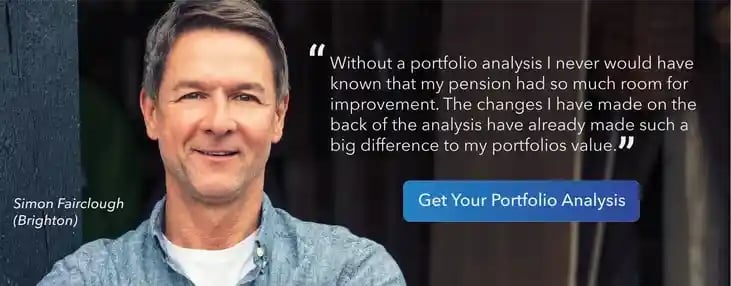
Our free portfolio analysis reviews each fund individually, showing its 1, 3 and 5-year performance, sector ranking and Yodelar Rating. It can also help identify areas such as duplication, concentration, excessive risk and funds that may no longer have a clear role.
Where appropriate, the analysis can also compare the portfolio’s backdated performance with a similar-risk MKC Invest model. This does not provide personal advice and does not recommend whether to buy, sell or switch any investment. It is designed to give investors clearer evidence before deciding whether further review may be useful.
For self-investors, this can be a practical first step. It helps answer a question many investors may not have asked clearly enough: am I measuring my portfolio in the right way?

Book A No Obligation Call
For investors who want to understand whether a more structured approach may be appropriate, a no obligation call can help.
The discussion can cover the investor’s current portfolio, analysis results, long-term objectives, time horizon and attitude to risk. It can also explain how a structured investment approach may compare performance against clearer objectives and risk levels.
Any personal recommendation would only be made after understanding the investor’s financial position, investment objectives, time horizon and attitude to risk. Any recommendation would include a clear explanation of risks, costs and ongoing service.
MKC Invest states that its model portfolios are only available to retail investors after a personal recommendation from an MKC Wealth financial planner. This helps keep the distinction clear between an information-led portfolio analysis and a personal recommendation.

Summary
Many investors focus on whether their portfolio has made money. That is important, but it is not enough.
A portfolio can rise in value and still underperform similar funds, lag a suitable risk-based comparison or fail to support the investor’s longer-term objective. It can also look weak against the wrong benchmark while still doing the job it was designed to do.
The benchmark matters because it shapes the conclusion. If the comparison is wrong, the decision that follows may also be wrong.
Investors should measure performance in three ways: how each fund has ranked against its sector peers, how the overall portfolio compares with a suitable risk-based benchmark, and whether the portfolio is still aligned with the investor’s objectives.
For self-investors, this is where a portfolio analysis can provide real value. It gives a clearer view of what is working, what may need review, and whether the portfolio is being judged against the right standard.
Before changing funds, chasing a stronger recent market or assuming the portfolio is on track, investors should first make sure they are measuring it properly.