

-
Strong portfolio growth does not always mean strong portfolio construction.
-
Holding several funds does not automatically create diversification.
-
Different funds can hold the same underlying companies, creating hidden overlap.
-
High-growth markets can mask duplication and concentration within portfolios.
-
When a dominant sector weakens, overlapping funds can fall together.
-
A structured portfolio review can reveal duplication, concentration and how funds compare to their sector averages.
A rising portfolio balance can create a powerful sense of reassurance for investors.
When returns are strong, it is easy to assume the portfolio must be well constructed. After all, the numbers appear to confirm that the strategy is working.
However, strong growth does not always reflect portfolio quality. In many cases, it simply reflects exposure to the parts of the market that have performed best during a particular period.
This distinction matters because portfolios built around a narrow set of high-growth sectors or styles can appear very successful while markets are rising. But when market leadership changes, the same concentration can lead to sharp declines.
For self-directed investors, this can create a hidden risk. A portfolio may look diversified because it contains multiple funds, yet the underlying holdings may be heavily concentrated in the same companies, sectors or regions.
Understanding the difference between recent growth and portfolio quality is an important step in building a more resilient investment strategy.

Strong Returns Can Hide Structural Weaknesses
Markets rarely rise evenly. At different points in time, certain sectors, regions or investment styles can deliver significantly stronger growth than others. When a portfolio has meaningful exposure to these areas, overall returns can look impressive.
But those returns may simply reflect the direction of the market rather than the strength of the portfolio’s construction.
For example, a portfolio that is heavily exposed to a currently dominant sector may deliver strong growth during favourable market conditions. Yet that same concentration means the portfolio’s performance may depend heavily on that single area continuing to lead.
If market leadership changes, the portfolio can experience a sharp reversal.
This is why experienced portfolio managers look beyond headline growth figures and instead focus on how the portfolio is structured.
The Illusion of Diversification
Many investors assume diversification comes from holding several funds.
However, diversification is not determined by the number of funds held. It depends on what those funds actually invest in.
Two funds can have different names, different managers and even different sector classifications while still holding many of the same underlying companies.
When this occurs, the portfolio can appear diversified on the surface while being heavily concentrated underneath.
This issue is commonly referred to as overlap or duplication.
When several funds hold similar companies, sectors or investment styles, the portfolio becomes increasingly dependent on the same market drivers. As a result, multiple holdings may rise and fall together.
In rising markets this may not be obvious. But when the dominant sector weakens, the impact can be felt across multiple positions simultaneously.

How Sector Concentration Builds Over Time
Concentration within portfolios does not always occur deliberately.
In many cases it develops gradually through two common behaviours.
The first is performance-led investing. Investors often add funds that have performed well recently. Over time this can lead to a portfolio dominated by similar strategies that benefited from the same market conditions.
The second is portfolio drift. When a particular sector or region experiences strong growth, its weighting within the portfolio naturally increases. Without rebalancing, the portfolio can gradually become more concentrated in that area.
In both situations the result is similar: the portfolio becomes increasingly dependent on a smaller number of market drivers.
While markets remain favourable, the portfolio may continue to perform strongly. But when conditions change, the downside can be magnified.
Why Portfolio Quality Matters
A well-constructed portfolio is not defined solely by its recent performance.
Instead, portfolio quality is shaped by several structural factors.
Diversification
Exposure should be spread across different regions, sectors and investment styles so that returns do not depend on a single market theme.
Asset allocation
The balance between equities, defensive assets and other investments should reflect the investor’s risk tolerance and long-term objectives.
Fund selection
Each fund should serve a clear purpose within the portfolio rather than duplicating exposure already provided elsewhere.
Rebalancing
Regular portfolio reviews help ensure that market movements do not gradually distort the original investment structure.
These elements help reduce reliance on a single area of the market and support more consistent long-term outcomes.
They do not remove risk entirely, but they help ensure that risk is deliberate rather than accidental.

Why Reviewing Your Portfolio During Strong Markets Matters
Ironically, the best time to assess portfolio structure is often when performance looks strongest.
During strong markets, structural weaknesses are easier to overlook because overall returns appear healthy.
However, this is precisely when issues such as duplication, concentration and allocation drift can quietly build within a portfolio.
A structured portfolio review can help identify whether strong performance is the result of a well balanced investment strategy or simply exposure to a narrow set of high-growth sectors.
Understanding that difference can help investors make more informed decisions about how their portfolio is positioned for the future.
Portfolio Analysis: Understanding What Your Portfolio Really Holds
Many investors are surprised by what a detailed portfolio analysis can reveal.
Even portfolios that appear well diversified can contain significant overlap between funds, concentrated sector exposure or funds that have consistently delivered weaker results compared with their sector averages.
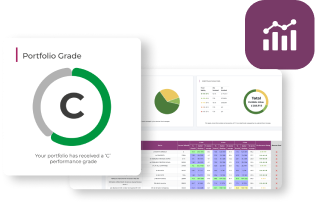
Yodelar provides a free portfolio analysis service designed to help investors better understand the structure and performance of their investments.
The analysis examines areas such as:
-
The performance of each fund compared with its sector average
-
How each fund ranks within its sector over longer time periods
-
The overall growth of the portfolio compared with similar risk portfolios
-
Potential duplication or overlap across holdings
-
Asset allocation and diversification across regions and sectors
The purpose of this analysis is to provide investors with a clearer understanding of how their portfolio is constructed and whether any structural issues may be affecting long-term efficiency.
There is no obligation to make changes following the analysis. The aim is simply to provide greater transparency so investors can make informed decisions about their investments.

Conclusion
Strong portfolio growth can feel reassuring. But strong returns alone do not necessarily indicate that a portfolio is well constructed.
In many cases, high growth reflects exposure to the sectors or regions that have performed best during a particular market cycle.
When several funds are exposed to the same underlying drivers, a portfolio can appear diversified while actually being heavily concentrated.
This concentration may not be obvious while markets are rising. However, when leadership changes or a previously dominant sector weakens, the impact can be felt across multiple holdings at once.
For investors managing their own portfolios, reviewing structure is just as important as monitoring returns.
Understanding where growth has come from, how diversified the portfolio truly is and whether each holding plays a distinct role can provide valuable insight into the overall quality of the portfolio.
If you would like to better understand how your portfolio is structured, a portfolio analysis can help highlight issues such as duplication, sector concentration and performance relative to sector averages.
Requesting a portfolio analysis can provide a clearer view of how efficiently your investments are working and whether your portfolio remains aligned with your long-term objectives.

Important information: This article is for general information only and does not constitute personal advice or a personal recommendation. The value of investments can fall as well as rise and investors may get back less than they invest. Past performance is not a reliable indicator of future results.