

-
A disappointing return is a reason to investigate, but it does not automatically mean a fund should be sold.
-
The first question is whether the fund has fallen behind its sector peers or is behaving differently because of its investment approach.
-
Waiting to recover your original investment is not, on its own, a reason to keep a holding.
-
A replacement fund needs just as much scrutiny as the investment it would replace, including its risks, charges and role.
-
A portfolio analysis can help separate a difficult period from a record that deserves closer attention.
Knowing When To Move On
Knowing when to leave a disappointing fund can be harder than choosing it in the first place. Sell too quickly and you may abandon a sound approach during a difficult period. Wait indefinitely and a fund with a weakening record can remain in your portfolio for years without a proper review.
The uncomfortable part is that both decisions can feel reasonable. Staying invested can look like patience, while switching can feel like taking control. Neither tells you whether the decision is well founded.
The useful starting point is to establish what has gone wrong, whether the original reason for holding the fund still applies and what would improve by making a change. That is a more demanding exercise than comparing the latest returns, but it is also more likely to address the actual problem.
First Establish What Has Disappointed
A fund can disappoint because it has lost money, because it has fallen behind competing funds or because it has behaved differently from what you expected. These are different concerns and should not be treated as the same problem.
Start with its performance against funds in the same Investment Association (IA) sector, alongside its stated objective and relevant market index. Sector peers provide useful context, although the IA cautions that some sectors contain different investment approaches and require particular care when making comparisons.
Then examine the reason for the difference. A fund focused on smaller companies will not necessarily move with a market dominated by large businesses. A fund holding shares and bonds should not be expected to match a portfolio invested entirely in shares.
Those differences may explain a lower return. They do not remove the need to examine whether the fund has delivered a competitive result for the approach it follows.
The distinction matters because replacing a lower returning fund with a higher returning one may change the risk you are taking, rather than improve the quality of the investment.

Look Beyond One Strong Or Weak Period
One poor year can sit within a competitive longer term record. Equally, a strong five year figure can conceal a more recent period in which the fund has repeatedly fallen behind.
Looking at one, three and five year returns helps, but those periods overlap. The latest year appears in all three calculations. Reviewing individual annual periods can therefore help explain when the fund gained or lost ground, rather than assuming three cumulative figures tell three separate stories.
Our Yodelar Ratings bring together historic performance against sector peers, consistency and volatility. They are useful research information, but a lower rating is not an automatic sell instruction, and a higher rating is not a forecast.
Research also shows why a successful past record should not put a fund beyond review. S&P Dow Jones Indices’ Europe Persistence Scorecard for the end of 2025 found that only 16% of the 408 funds in the top half of its Global Equity category over the five years to the end of 2020 remained in the top half over the following five years. This was the report’s European active fund sample, not a study of Yodelar Ratings or the entire UK fund market.
Past performance remains useful evidence about what a fund has delivered. It should support further research, rather than become the sole reason for retaining or replacing it.

Your Purchase Price Is Not A Reason To Stay
“I will sell when it gets back to what I paid” can feel like a sensible compromise. It avoids accepting a disappointing outcome today and provides a clear point at which to act.
However, your purchase price does not establish whether the fund is the right place for the remaining money.
Suppose a £50,000 investment has fallen to £40,000. The decision now concerns how that £40,000 should be invested. Keeping it in the same fund does not reverse the earlier loss, and switching does not guarantee a faster recovery.
A useful question is whether you would choose the holding today, taking account of your existing investments, objectives and the costs or tax consequences of changing it.
The answer may still support keeping the fund. Its approach may remain relevant, the recent weakness may be understandable and changing could introduce disadvantages. But those are reasons based on the investment as it stands today. Waiting for an old account value to reappear is not the same assessment.
Check Whether The Original Reason Still Applies
Performance is only one reason to revisit a holding.
Perhaps the manager or investment policy has changed. Perhaps the fund has become more concentrated, its charges have changed or the circumstances behind your original purchase no longer apply. A change does not automatically make the fund worse, but it can make an old explanation for holding it incomplete.
The current fund documents should help you understand what it invests in, its risks and its charges. The FCA encourages investors to examine those details rather than rely only on the investment’s name or headline appeal.
There is also a personal question. A fund chosen for money you would not need for many years may need a different assessment when that money is required for spending.
This is why it helps to distinguish reviewing a fund from reviewing your own needs. The fund may be following its approach successfully while no longer being the right match for the purpose you now have in mind.
Test The Replacement Just As Carefully
Finding a fund with a stronger recent return is straightforward. Establishing that it would improve your portfolio takes more work.
The replacement may invest in different countries, hold fewer companies or rely on a particular industry. A higher return could partly reflect those differences rather than a more effective version of the investment you already hold.
It may also repeat exposure elsewhere in your portfolio. The FCA describes diversification as combining investments that do not all depend on the same things to perform well. A different fund name does not necessarily provide that difference.
Before changing a holding, the comparison should address both sides:
|
Question |
What it helps establish |
|---|---|
|
What has the existing fund failed to deliver? |
Whether the concern is performance, risk, cost or a changed investment need. |
|
What does the replacement do differently? |
Whether you are changing the approach as well as the fund. |
|
How has each ranked against its sector peers? |
Whether the comparison supports the reason for the proposed change. |
|
What would the portfolio look like afterwards? |
Whether the replacement adds useful exposure or repeats what is already held. |
|
What would changing cost? |
Whether charges and possible tax consequences affect the decision. |
The objective is not simply to exchange a disappointing name for a more appealing one. It is to identify a specific improvement while understanding what new risks or disadvantages may come with it.

Include The Cost Of Changing
Switching can involve dealing costs, differences between buying and selling prices and changes in ongoing charges. The exact costs depend on the investments and the service used. The FCA highlights that frequent transactions can add to investment costs, so activity itself should not be mistaken for better management.
There may also be tax implications. Selling investments outside an ISA can create a Capital Gains Tax liability, depending on the gain and the investor’s circumstances. Disposals of investments held within an ISA are generally exempt from Capital Gains Tax.
These considerations should be part of the review, rather than discovered after the decision has been made. Avoiding tax at all costs is not necessarily the right objective, but neither is ignoring a material tax consequence because another fund has recently performed better.
Give Patience A Clear Basis
A decision to retain a fund should have a reason that can be revisited.
That might be evidence that it remains competitive over a suitable period, an investment approach that still serves a useful purpose, or a recent change that needs time to be assessed. It should also be clear what would prompt another review.
It is recommended to review investment choices at least annually, including their risk, performance and charges, and notes that more frequent checks may be useful for investors managing their own pensions or approaching retirement. A review does not mean a requirement to trade.
This is a practical area in which ongoing oversight can help. Someone needs to collect the information, examine the explanation for weaker results and compare the options without treating each market movement as a reason to act.
For a self managed investor, that responsibility remains after the original research is complete. Where professional advice or portfolio management is used, the scope of that work and its cost should be clear. Paying for a service does not guarantee better returns; the value should be assessed through the work it undertakes and how that supports your needs.

Get A Free Portfolio Analysis
Before deciding which funds to keep or replace, establish how the holdings you already own have performed.
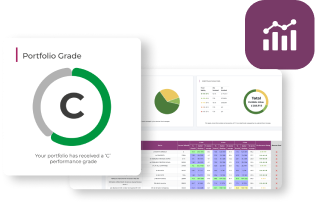
Our free portfolio analysis reviews available one, three and five year performance, sector rankings and Yodelar Ratings across your funds. Upload a recent portfolio statement or provide your fund names and approximate values to receive a clearer view of their records.
Where information is available, the analysis can also help identify possible duplication and concentration. It provides factual information, not personal advice or a recommendation to buy, sell or switch. There is no obligation to make changes or proceed with advice.

Speak To An Adviser Before Deciding
To discuss what the findings mean for your own portfolio, book a no obligation call with an adviser from our advice partner, MKC Wealth.
The discussion can cover the investments causing concern, your objectives and whether a fuller review would be worthwhile. Any personal recommendation would follow an assessment of your circumstances and ability to withstand losses, with risks, costs and ongoing services explained before you decide whether to proceed.

Summary
The right response to a disappointing fund is neither automatic loyalty nor an automatic sale. It is a decision supported by the fund’s record, its current approach, your circumstances and the consequences of changing it.
Patience has a place in investing, but it should not become a reason to leave persistent concerns unanswered. Equally, a more impressive recent return does not establish that another fund belongs in your portfolio.
Before making the next change, find out whether the fund has genuinely fallen short and what a replacement would improve. A portfolio analysis gives you the evidence to start that review, rather than another reason to guess.