

-
Uncertainty is a reason to examine your investments, not an automatic instruction to buy, sell or move into cash.
-
The first question is whether your financial needs or portfolio have changed, rather than whether the headlines have become more unsettling.
-
Money needed for foreseeable spending requires a different assessment from money intended to remain invested for many years.
-
A useful review can support leaving investments unchanged as well as identifying something that needs attention.
-
Our free initial portfolio analysis provides a factual starting point, while an advice conversation can explore what the findings mean for your wider plans.
When The News Makes You Question Your Investments
Unsettling headlines can make a familiar portfolio feel less comfortable. Should you reduce risk, move into cash or leave everything alone? Each option can appear sensible, but none answers the more important question: what does your money need to do, and is the current approach still right for that purpose?
The concern becomes more personal when those investments are supporting a retirement date, regular income or plans to help your family. A change in value is no longer just a percentage on a statement. It could affect something you have spent years working towards.
You do not need a confident prediction about the next market move before addressing those concerns. You need a clear understanding of your position, the choices available and what would justify making a change.

Preparation Is Different From Prediction
Being prepared means understanding how your finances would cope if circumstances changed. That could include a fall in investment values, an unexpected expense or needing access to your money sooner than planned.
Could you cover upcoming expenses if your investments fell in value? Do you know how much of your portfolio depends on one market? Is there a plan for reviewing your investments, or would the next decision be made in response to whichever headline feels most urgent?
Those questions turn a broad sense of unease into practical issues that can be examined. The answers may support your existing approach or highlight something that needs attention.
Start With What Has Actually Changed
A change in the news and a change in your financial position are not the same thing.
Suppose you had expected to leave your investments untouched for ten years, but now need some of the money next year. That changes the decision even if financial markets are calm. Equally, a period of alarming headlines does not necessarily change the purpose of money you can leave invested for many years.
The Financial Conduct Authority (FCA) highlights the importance of the investment period and access requirements. Needing to sell during an unfavourable market can expose investors to losses they might otherwise have had more flexibility to manage.
Begin with the practical facts: expected spending, income from elsewhere, accessible savings and any commitments that have changed. Then examine whether the investments still fit.
The portfolio itself may also have changed. A fund could follow a different approach, or a successful holding could now represent a much larger share of your money. The FCA recommends reviewing investments periodically because both the investments and personal circumstances can change.
The reason for a review should be clear before deciding what to do with the money.

Think Through The Cash Decision
Moving investments into cash can feel like resolving uncertainty. It reduces exposure to investment price movements and can make money available for spending. However, it also removes that money from any subsequent investment gains, while inflation can reduce its purchasing power if interest does not keep pace with rising prices.
That does not make cash a poor choice. It makes its purpose important.
Cash reserved for a known expense is different from selling long term investments with the intention of buying them back when conditions feel more comfortable. The second approach requires another decision: what would persuade you to reinvest?
Waiting for reassuring news does not guarantee a better purchase price. The FCA warns that trying to time markets increases the risk of buying or selling at the wrong moment.
Before making that move, establish whether the objective is to meet a spending need, correct an unsuitable level of risk or temporarily escape uncomfortable headlines. Those are different reasons and deserve different assessments.
Get The Facts Before Changing Funds
A fall in your account value tells you that your investments have lost value over that period. It does not, on its own, show whether a particular fund has performed poorly for the approach it follows.
Reviewing each fund against competing funds in the same Investment Association (IA) sector provides context. The comparison should cover consistent periods and recognise differences in investment approach. The IA itself notes that funds within a sector can still vary considerably in what they hold and how they invest.
The wider portfolio needs attention too. A replacement fund may repeat investments already held elsewhere rather than provide something different. Diversification depends on the underlying exposure, not simply the number of funds or providers.
This is not an argument for keeping every existing holding. It is a reason to identify the problem before choosing the replacement.
A decision supported by evidence should explain what would improve, what risks would change and why the revised arrangement would better serve the intended purpose.

Ask What A Difficult Period Would Mean For You
It is possible to understand that investments fluctuate without knowing what a substantial fall would mean for your own plans.
Would you need to postpone spending? Could income from elsewhere cover essential costs? Would you still have flexibility over when to use the investments?
These questions are particularly important where withdrawals are being taken. MoneyHelper explains that taking money from investments after prices have fallen can leave fewer investments available to benefit from a subsequent recovery. The consequences depend on the withdrawals, future returns and the investor’s other resources.
Testing a plan against less favourable conditions is not a prediction that those conditions will occur. It helps identify where the plan has room to adapt and where it may be vulnerable.
The FCA’s guidance on retirement financial projections recommends examining plausible adverse scenarios, using reasonable assumptions and including relevant costs. It also cautions against giving detailed projections an unjustified appearance of certainty.
The aim is to understand the consequences before they become decisions you have to make under pressure.
A Review Should Leave You With Clear Answers
A useful review should do more than provide reassurance or another market forecast. It should help resolve the concern that prompted it.
|
Your concern |
What the review should establish |
|---|---|
|
“I might need some of this money sooner.” |
How that spending could be funded and whether the current investments remain appropriate for the timing. |
|
“I do not know why my portfolio has fallen.” |
An explanation of the risks your investments carry and how these can lead to losses, which holdings contributed to the fall and how they compared with relevant sector peers. |
|
“I think too much depends on one market.” |
The combined exposure across the funds, including investments repeated in different holdings. |
|
“I am worried my plans will no longer work.” |
What the wider financial position looks like under less favourable conditions and what flexibility is available. |
A review may support keeping your existing approach. If changes are suggested, there should be a clear explanation of how they address the issue identified, alongside the risks and costs involved.
Where Professional Support Can Help
There is a practical difference between following investment news and maintaining the information needed to manage your own finances.
Someone needs to examine the holdings, check how they work together, assess proposed changes and connect those decisions to future spending. For self investors, that work remains their responsibility unless they arrange support.
Financial advice can help address the personal planning questions. Portfolio management, where used, focuses on the investment decisions within the agreed approach. A useful explanation should make clear who is responsible for each part, rather than leave the investor assuming everything is covered.
Professional support should not be judged by whether someone confidently predicts the next market movement. It should be assessed by the work provided, the reasoning behind decisions and the cost. MoneyHelper notes that advice can be obtained for a specific decision or on an ongoing basis, depending on the help required.
Where ongoing advice is paid for, the agreed service should be clearly explained and delivered. The FCA makes that expectation explicit in its review of ongoing advice services.
Expertise cannot prevent investment losses or guarantee better returns. It can provide a structured way to examine decisions that might otherwise be made with incomplete information.
Start With Your Portfolio, Not Another Prediction
You do not need to decide whether to change funds before finding out how your existing investments compare.
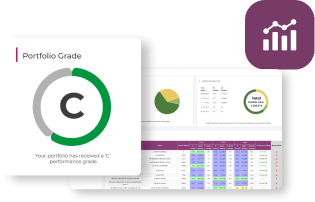
Our free initial portfolio analysis reviews available one, three and five year performance, sector rankings and Yodelar Ratings across your holdings. Upload a recent portfolio statement or provide your fund names and approximate values.
Where information is available, the analysis can also highlight possible duplication and concentration. It provides factual information, not personal advice, a prediction of future losses or a recommendation to buy, sell or switch.
Yodelar Ratings describe historic performance against sector peers. They do not assess personal suitability or predict future returns.
The starting point is the portfolio you already own. There is no obligation to make changes or proceed with advice.

Talk Through The Decision Before Making It
You may understand your funds but still be unsure what to do next. Perhaps retirement is approaching, income needs have changed or the level of risk no longer feels comfortable.
A no obligation call with an adviser from our advice partner, MKC Wealth, gives you an opportunity to explain those concerns and discuss whether a fuller review would be useful. MKC Wealth Ltd is authorised and regulated by the FCA, firm reference number 428734.
If you choose to proceed with advice, the adviser would explain what the service covers and agree the cost with you before the work begins. Any personal recommendation would follow a fuller assessment of your circumstances, objectives, investment period, attitude to risk and ability to withstand losses. The risks and costs of any recommendation would be explained before you decide whether to act on it.
This may lead to a one-off piece of advice. Any ongoing service would be considered separately, with the support provided and its charges explained and agreed before it starts.
Summary
Uncertainty does not create the same investment decision for everyone. Your spending needs, existing holdings and ability to absorb losses matter more than a general instruction to become cautious or stay invested.
The useful response is to establish what has changed, examine the portfolio and understand what different outcomes would mean for your plans. That may support the current approach or reveal something that needs attention.
You cannot control the next announcement or market movement. You can make sure your next investment decision has a clearer basis than the headline that prompted it.